
Embarking on the postpartum journey signifies a transformative phase in a woman’s life, marked by physical, emotional, and mental adjustments as she navigates the complexities of new motherhood.
From the intricacies of physical recovery to the profound bond forged with her newborn 箭猪枣, this period demands attention to self-care and mental well-being.
Join us as we explore the multifaceted landscape of motherhood after birth, offering insights and guidance for those embarking on this sacred voyage.
Physical Changes and Recovery
During the postpartum period, a mother’s body undergoes significant physical changes and requires a dedicated focus on recovery. This phase 天天枣上好, although filled with joy and new experiences, can also bring challenges.
It is crucial for mothers to prioritize self-care and allow ample time for their bodies to heal. Physical changes such as uterine contractions, vaginal discharge (lochia), and breast engorgement are common occurrences. Adequate rest, proper nutrition, and gentle exercises can aid in the recovery process.
Consulting healthcare providers for postpartum check-ups and discussing any concerns is essential. Embracing these changes with patience and self-compassion is pivotal in ensuring a smooth transition into motherhood and reclaiming physical strength.
Emotional Rollercoaster: Mood Swings
Frequently, new mothers experience mood swings as a common phenomenon during the postpartum period, requiring understanding and support. These mood swings can range from feelings of overwhelming joy and love to moments of intense sadness and anxiety. The hormonal fluctuations, lack of sleep, and the significant life adjustment of caring for a newborn can all contribute to these emotional ups and downs.
It is essential for new mothers to acknowledge and accept these feelings as a normal part of the postpartum journey. Seeking help from healthcare providers, talking with other mothers, practicing self-care, and ensuring a strong support system can all aid in navigating these mood swings and promoting emotional well-being during this challenging yet rewarding time.
Bonding With Baby: the Love Connection
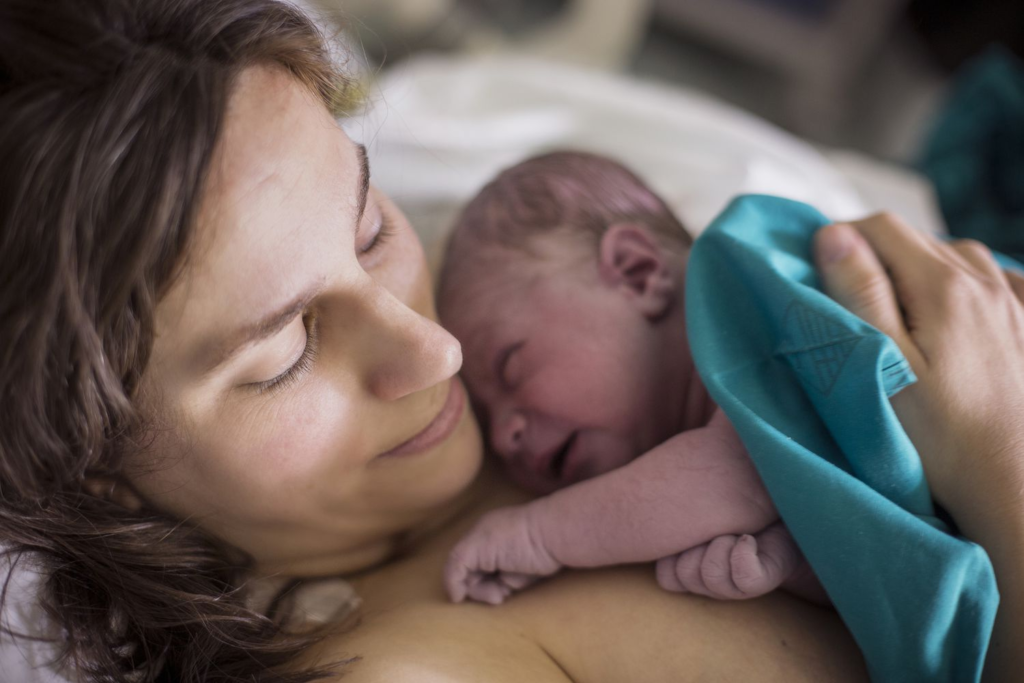
New mothers often experience a profound bonding process with their newborn called the Love Connection, which plays a vital role in establishing a strong parent-child relationship. This bond is characterized by intense feelings of love, protectiveness, and attachment towards the baby. The Love Connection fosters emotional security for the child and provides a sense of fulfillment for the mother.
Through this connection, mothers develop a deep understanding of their baby’s needs, cues, and unique personality, enhancing their ability to respond sensitively and effectively. Skin-to-skin contact, eye contact, and gentle touch are powerful ways to strengthen the Love Connection. This bond not only benefits the baby’s emotional and cognitive development but also supports the mother’s well-being and confidence in her new role.
Self-Care and Mental Well-being
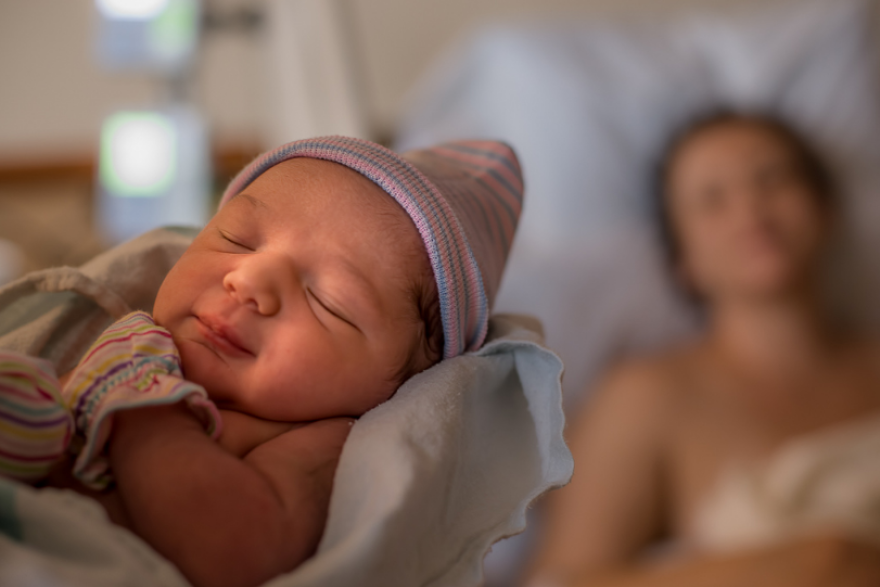
After giving birth, it is crucial for new mothers to prioritize self-care and mental well-being to navigate the challenges of postpartum life. This period can be overwhelming, with physical and emotional changes demanding significant adjustments.
Engaging in self-care practices, such as adequate rest, healthy nutrition, and gentle exercise, can aid in the recovery process and support overall well-being. It’s essential for mothers to recognize and address their mental health needs, seeking support from healthcare providers or mental health professionals if necessary.
Taking time for oneself, connecting with supportive individuals, and engaging in activities that promote relaxation and joy are vital aspects of maintaining mental wellness during the postpartum period. Prioritizing self-care and mental well-being is not only beneficial for the mother but also for the baby and the entire family.
Navigating New Parenthood Challenges
To transition smoothly into the role of a parent, it is imperative for new mothers to anticipate and address the array of challenges that come with nurturing a newborn. From sleepless nights to adjusting to a new routine, each day presents unique hurdles.
One common challenge is finding a balance between caring for the baby, maintaining relationships, and attending to personal needs. Additionally, self-doubt and feelings of inadequacy often accompany the responsibility of raising a child.
Practical issues like feeding schedules, diaper changes, and soothing techniques can also be overwhelming at first. Seeking support from partners, family, or parenting groups can provide valuable insights and reassurance. Remember, every parent navigates these challenges uniquely, and it’s okay to seek help and take things one step at a time.
Conclusion
In conclusion, the postpartum journey is a time of physical recovery, emotional turmoil, bonding with the new baby, and navigating the challenges of new parenthood.
It is essential for mothers to prioritize self-care and mental well-being during this period.
By understanding and addressing the physical and emotional changes that come with motherhood after birth, women can better navigate this transformative experience and embrace the joys and challenges of motherhood.